
Many owner-operators and small fleet owners in the US rely on boxes or straight trucks for delivery, moving, or local cargo services. The common question they may ask is if they need a DOT registration to move legally.
The quick answer is: it depends!
There are several key factors that need to be considered, such as the vehicle weight, the locations it operates (within one state or across multiple) and what kind of cargo it transports. Regulations issued by the FMCSA tell you when a USDOT number is a must, while some states add their own interstate requirements.
In this article, we'll talk about the differences between box and straight trucks, the rules for federal DOT numbers, state-specific exceptions, and when an MC number is necessary. We'll also show how IRP Registration Services can help you through each step to keep your business fully compliant with federal and state regulations.
Box Truck vs Straight Truck: What’s the Difference?
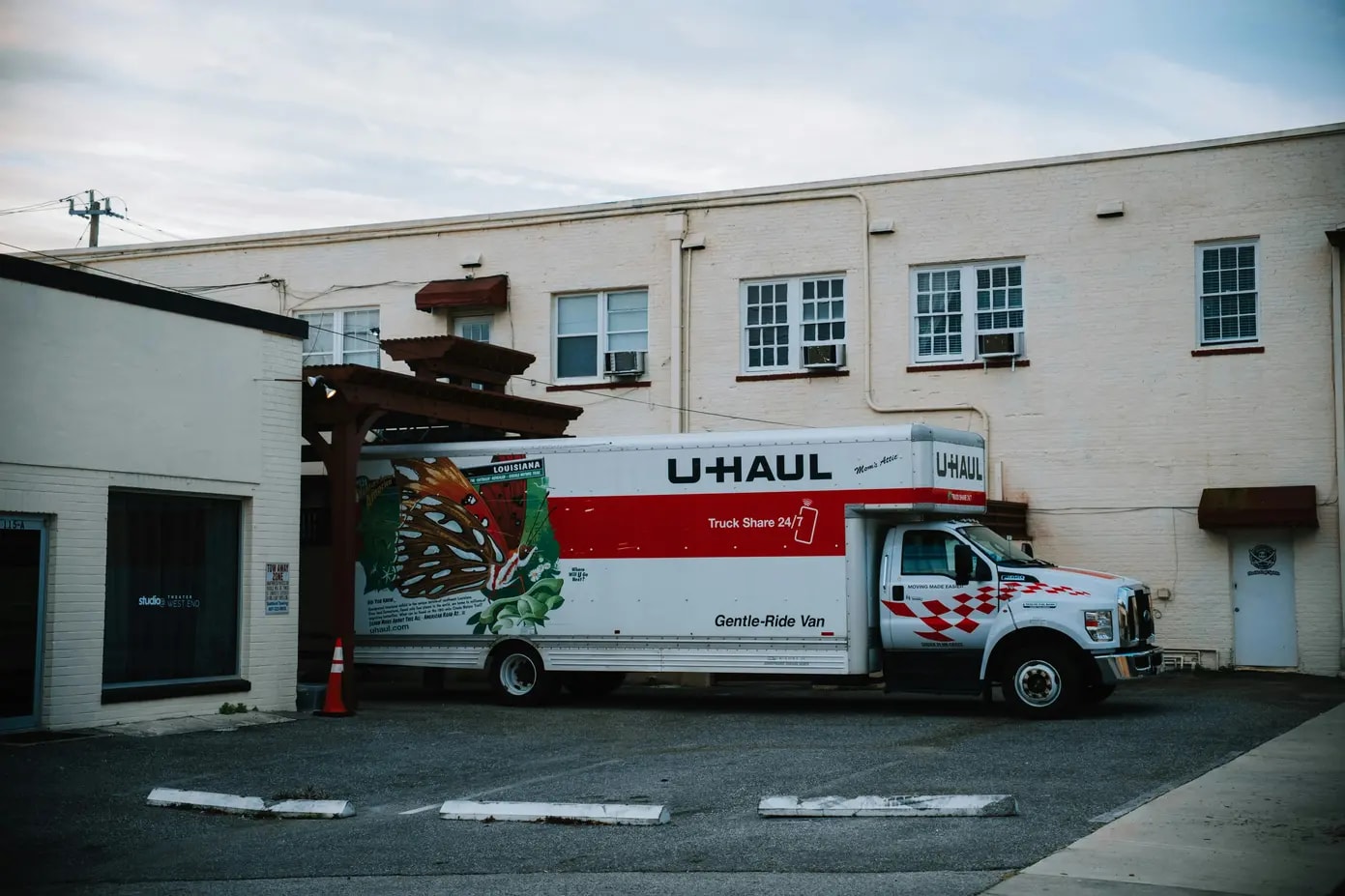
If you’ve ever rented a moving truck or a driven delivery truck, chances are you’ve been behind the wheel of a so-called "box truck." It's one of the most common vehicles used in local freight and delivery industries. It features a large, rectangular cargo section attached behind the cab, forming an enclosed "box" on wheels. This design keeps goods secure and protected, making box trucks ideal for moving companies, parcel services, retailers and logistics providers that operate in cities and suburban areas.
There are different sizes of box trucks, with lengths ranging from 10 to 26 feet and Gross Vehicle Weight Ratings (GVWR) ranging from 8,600 to over 33,000 pounds, depending on the model and its use.
A straight truck, on the other hand, is a type of truck that is built in a certain way. The cab and cargo body are both part of the same continuous frame, so the whole thing is one piece from front to back. There isn't a separate trailer like you would see on a semi. Straight trucks are easier to drive, park and keep up with, which is one reason why they are so popular for small fleets and urban delivery drivers.
So, when comparing a box truck vs straight truck, remember this: every box truck is a straight truck, but not every straight truck has a "box body." Depending on what they carry, some straight trucks have flatbeds, tank bodies or refrigerated sections.
From a compliance point of view, the name of your vehicle doesn't decide whether you need a DOT number. What really matters is the weight, how the truck is used and if it crosses state lines. These factors determine if your vehicle meets the DOT requirements for box trucks. Knowing what kind of truck you have makes it easier to understand which FMCSA and state rules apply to your business.
DOT Number Requirements: When Does a Box Truck Qualify for Getting One?
One of the first things new box truck owners ask is, “Do I need a DOT number for my box truck?”
The answer depends not on the name of the truck but on how it’s used, more specifically, on its weight, purpose and where you drive it.
FMCSA says that any commercial motor vehicle that crosses state lines must have a USDOT number if it meets at least one of these requirements:
The Gross Vehicle Weight Rating (GVWR) or Gross Combination Weight Rating (GCWR) is 4,536 kg or 10,001 pounds or more.
The vehicle transports hazardous materials that require placards.
The vehicle carries 8 passengers (including the driver) for compensation.
The vehicle can hold 15 or more passengers, including the driver, and is used to transport passengers for compensation.
So, if your box truck weighs more than 10,000 pounds and crosses state lines while carrying goods, you must register for a DOT number. This number is your company's unique ID for safety compliance. It lets the FMCSA and police keep track of inspections, crash reports, and maintenance records.
It’s also important to note that the kind of truck you have, whether it's a box truck, flatbed or van, doesn't matter when it comes to needing a DOT number. The weight of the vehicle and how it is used in business are what matter. A 16-foot rental box truck used for a personal move wouldn't need one, but the same truck used for business surely would.
Real-World Scenarios: Do Box Trucks Always Need a DOT Number?
The best way to understand DOT requirements for box trucks is to look at some real-life examples. Since the rules are different based on their use, weight and location, two trucks that look identical might fall under completely different regulations.
Let's look at a few common situations:
1. Deliveries Within One State (less than 10,000 pounds)
You probably don't have to register your box truck with the federal DOT if it weighs less than 10,001 pounds and only drives in one state. But some states, like California, Texas, and Florida, still require DOT or motor carrier numbers from the state even for operations within the state. Before you assume you're not required to follow the rules, always check them again.
2. Delivery of Freight Between States (10,001 pounds or more)
If your truck goes from one state to another, like from Ohio to Michigan to pick up furniture and its GVWR is more than 10,000 pounds, you need a USDOT number. If you own one truck or a small fleet, the same rule applies. This makes sure that your business meets FMCSA safety and insurance standards.
3. Transporting Hazardous Materials
If you carry dangerous materials that need placards, you may still need a DOT number even if your box truck weighs less than 10,000 pounds. FMCSA thinks that the type of cargo is as important as the size of the vehicle because it can be dangerous to transport.
4. Only Operating Within a State in Regulated States
In some states, running a business in the same state is almost the same as running one in another state. For example, carriers in California need a Motor Carrier Permit (MCP) and a CA number, even for short trips. Most commercial carriers in Texas need a TxDMV number.
Florida makes many trucks over 10,000 pounds show their DOT number, even if they never leave the state.
So, even if you don't drive your box truck all over the country, you may still need a DOT or state-issued number to follow the law in your area.
5. For-Hire vs Private Carriers
If you transport goods for other people or companies (for-hire), you’ll likely need both DOT and MC numbers. But if you’re a private carrier moving your inventory (for example, a furniture store delivering its own products), you usually only need a DOT number, not the MC authority.
To sum up, not every box truck needs a DOT number, but a lot of them do. Weight, area of the operation and type of cargo are the deciding factors. It's always best to check with a compliance expert before you leave to make sure you're in good standing.
Making assumptions can lead to costly fines. Making assumptions can lead to expensive penalties, so it’s always best to check your status with a compliance expert before hitting the road.
If you’re unsure if your truck qualifies, IRP Registration Services can review your vehicle specs, routes and cargo types to let you know what registration you exactly need, whether it’s a federal DOT number or a state-level permit.
What About an MC Number? Do You Need Both?
Once you know if you need a DOT number for your box truck, the next question that comes up is often, "What is an MC number? Do I need it too?"
A DOT number and an MC number are not the same thing. Your DOT number is like your business's safety ID with the FMCSA. Your MC number, on the other hand, gives you the legal right to move goods across state lines for other people.
Think of it this way:
The DOT number tracks your safety and compliance (inspections, crashes, maintenance, etc.).
The MC number allows you to operate for hire in interstate commerce.
If you have a box truck and use it to deliver things for other companies, for example, moving furniture, appliances or packages across states, you’ll need both numbers. You can’t operate legally without the MC authority in that situation.
But if you’re a private carrier, like when you use your box truck to move your own company's inventory, you usually need the DOT number only, not the MC authority.
There's also a middle ground: renting your truck to another carrier. If you rent your truck and operate under that carrier's authority, you won't need to apply for your own MC number. Instead, you'll have to follow their DOT and MC rules, but you'll still have to meet all safety and recordkeeping requirements.
DOT Registration for Box Truck Operators: What to Expect
Getting a DOT number for your box truck is easier than it sounds, but you need to be careful. The process is handled entirely through the Federal FMCSA using their online Unified Registration System (URS).
Here’s what to expect step-by-step:
Complete the MCS-150 form: This is the main registration form that gathers information about your business and vehicles, such as the name of your company, its address, the Employer Identification Number (EIN), the type of operation and the details of your vehicle, such as its VIN, weight and type of cargo.
Identify Your Operation Type: You must state if you are a private carrier, for-hire or an exempt carrier and if your business is interstate (crossing state lines) or intrastate (within one state).
Insurance and BOC-3 Filing (if applicable): Before the MC authority can start working, for-hire carriers must also send in proof of insurance and a BOC-3 form.
Get Your DOT Number: Your USDOT number is given right away after you submit it. According to FMCSA marking requirements, you can then show it on both sides of your box truck.
The DOT number itself is free of charge, but associated filings that go with it, like insurance, an MC number, a BOC-3 and a UCR registration may cost a little extra depending on your business type.
Also, you have to update your MCS-150 form every two years after you register, even if the information about your business hasn't changed. This is called a biennial update. If you forget to do it, your DOT number could be turned off or marked "out of service."
Some common mistakes people make when they register are:
Putting in the wrong Gross Vehicle Weight Rating (GVWR)
Picking the wrong type of carrier
Not doing the update every two years
Not giving correct contact information
Taking the time to fill everything out correctly from the start will save you from rejections, fines or future compliance issues.
Compliance After You Register: Your Future Responsibilities
Getting a DOT number isn't the finish line, it's the starting point of compliance. Once your box truck is registered, FMCSA expects you to keep certain safety and operational standards. This means:
Keep accurate driver and vehicle records
You will need to keep your driver qualification files up to date, which should include copies of their licenses, medical certificates and background checks. You also need to have your cars checked out regularly and keep records of all the work that has been done on them.
Follow Hours of Service (HOS) regulations
You must keep track of your drivers' driving time with logbooks or an ELDs if they drive for long enough to be subject to FMCSA's Hours of Service rules. This will make sure that drivers get enough sleep and don't break any laws just because they are tired.
Participate in drug and alcohol testing (if required)
If your box truck drivers have a Commercial Driver's License (CDL) and drive vehicles with a GVWR of 26,001 pounds or more or carry hazmat, they must be in a drug and alcohol testing program that meets DOT standards.
Stay ready for audits or inspections
New carriers usually have to go through a New Entrant Safety Audit within the first year. You will need to show proof of maintenance logs, driver records and HOS papers. It's common for police to stop cars at random and your records must always match what you do on the road.
File Your Biennial Update (MCS-150)
You need to update your DOT information every 24 months using the MCS-150 form, even after you first file. If you miss the deadline, you could lose your DOT number or have to pay a fine.
Mistakes that new box truck drivers often make:
Not keeping full records of driver logs or inspections
Not following Hours of Service (HOS) rules
Not taking drug and alcohol tests when they are needed
Not remembering the update every two years
Not keeping up with insurance filings
If you stay organized and proactive with these responsibilities, you can avoid fines and get a good safety rating.
State-Level and Special Exceptions to Know
Even if your business never crosses state lines, you might still need to register for a DOT number (or a state-issued equivalent). Many states have their own rules for commercial vehicles that are similar to or go beyond what the federal DOT says.
Some of the most common examples are:
California
Even if the truck never leaves California, most intrastate commercial carriers need a Motor Carrier Permit (MCP) and a CA number. The rule only applies to vehicles that weigh 10,001 pounds or more when they are loaded. You will also need to keep your liability insurance up to date and show the DMV proof that you are following the rules.
Texas
The Texas Department of Motor Vehicles (TxDMV) often issues a TxDMV number to commercial vehicles that only drive in Texas. The rule usually applies to carriers that move household goods, oilfield equipment or other commercial freight, even if they don't cross state lines.
Florida
Florida also requires many intrastate carriers to get a USDOT number so they can be checked. The Florida Highway Patrol’s Commercial Vehicle Enforcement division regularly inspects vehicles over 10,000 pounds GVWR, even if they drive only in Florida.
Exceptions and Special Cases
Some cars and trucks may be able to get partial or full exceptions, but these are very specific and need to be well-documented.
For example:
Vehicles used in farming that only work during certain times of the year and in a small areas
Government or municipal trucks doing work for the public
Private carriers that don't do business are not commercial
If your business falls under any of these categories, you should check with your state's DOT or DMV and keep a record of it in case you need to show it to an inspector.
Vehicle Marking Rules
If your box truck is required to display a USDOT number, federal law (49 CFR §390.21) sets specific guidelines.
The markings have to:
Be visible on both sides of the trucks
Include your USDOT number and your business or legal name
Be a different color than the truck's painting
You should be able to read it from at least 50 feet away
Use letters and numbers that are at least 2 inches tall.
Following these standards helps you avoid getting pulled over and fined during roadside inspections.
Owning or operating a box truck means paying attention to more than the vehicle itself. DOT numbers, MC authority, state permits, vehicle markings, biennial updates, insurance filings and ongoing compliance can all depend on your truck’s weight, routes, cargo and business setup. Before making assumptions, it is safer to review your exact situation and make sure the right registrations are in place. For help checking what applies to your operation, you can visit IRP Registration Services and get guidance based on your truck and compliance needs.